First Meeting · · 12 min read
How to Close Solar Deals in the First Meeting: The Complete Playbook for EPCs (29 Challenges Solved)
In Indian rooftop solar, the first meeting decides most deals. Customers meet several installers, and the one who makes the decision easy — clear design, believable numbers, a proposal in hand — usually wins. This playbook covers the 29 most common reasons EPCs fail to close in the first meeting, and how a 3D solar draft built during the meeting fixes each one.

Why the first meeting matters so much
- Attention is highest. The customer has set aside time and is actively thinking about solar.
- Competition is lowest. Every day after the meeting, another installer can call.
- Cost is lowest. Every extra visit adds travel, time and salary cost to the deal.
- Trust is built fastest. A professional first impression carries through the whole project.
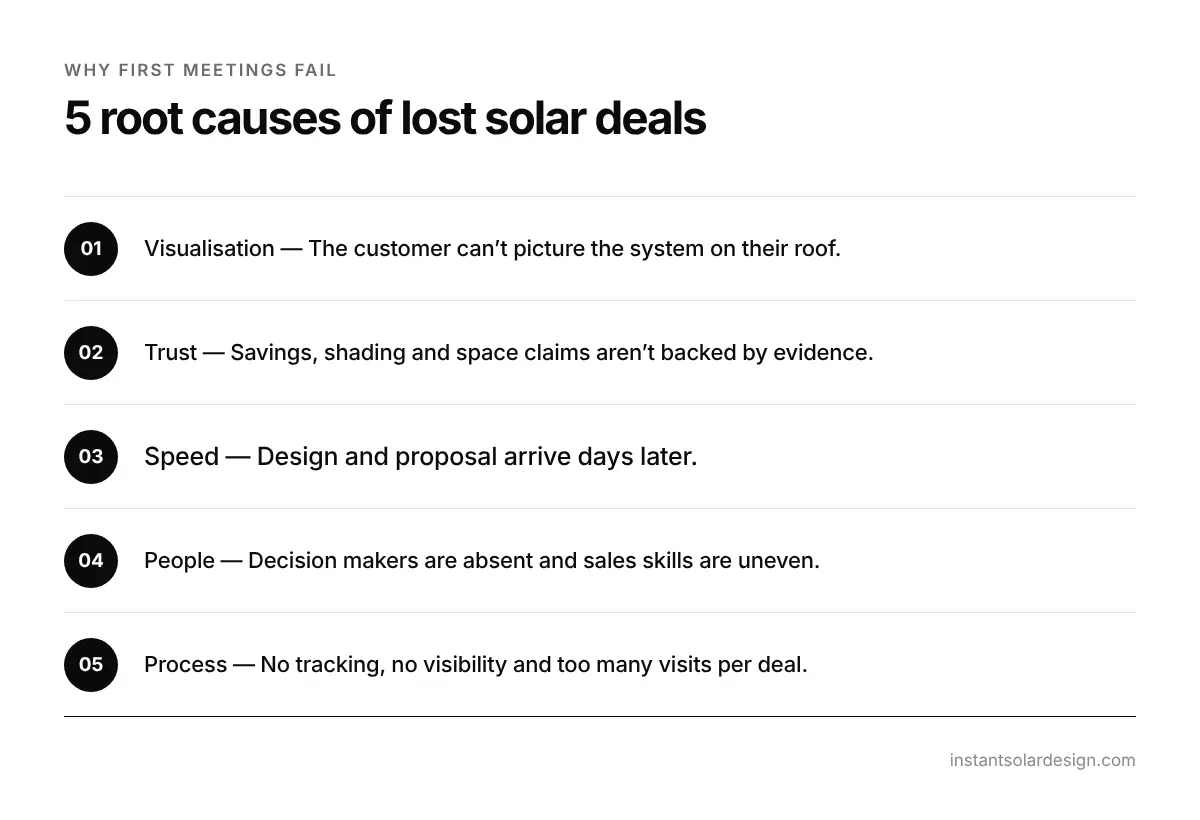
The 5 root causes behind lost first meetings
- Visualisation — the customer can’t picture the system on their roof.
- Trust — savings, shading and space claims aren’t backed by evidence.
- Speed — design and proposal arrive days later.
- People — decision makers are absent and sales skills are uneven.
- Process — no tracking, no visibility and too many visits per deal.
The first-meeting formula
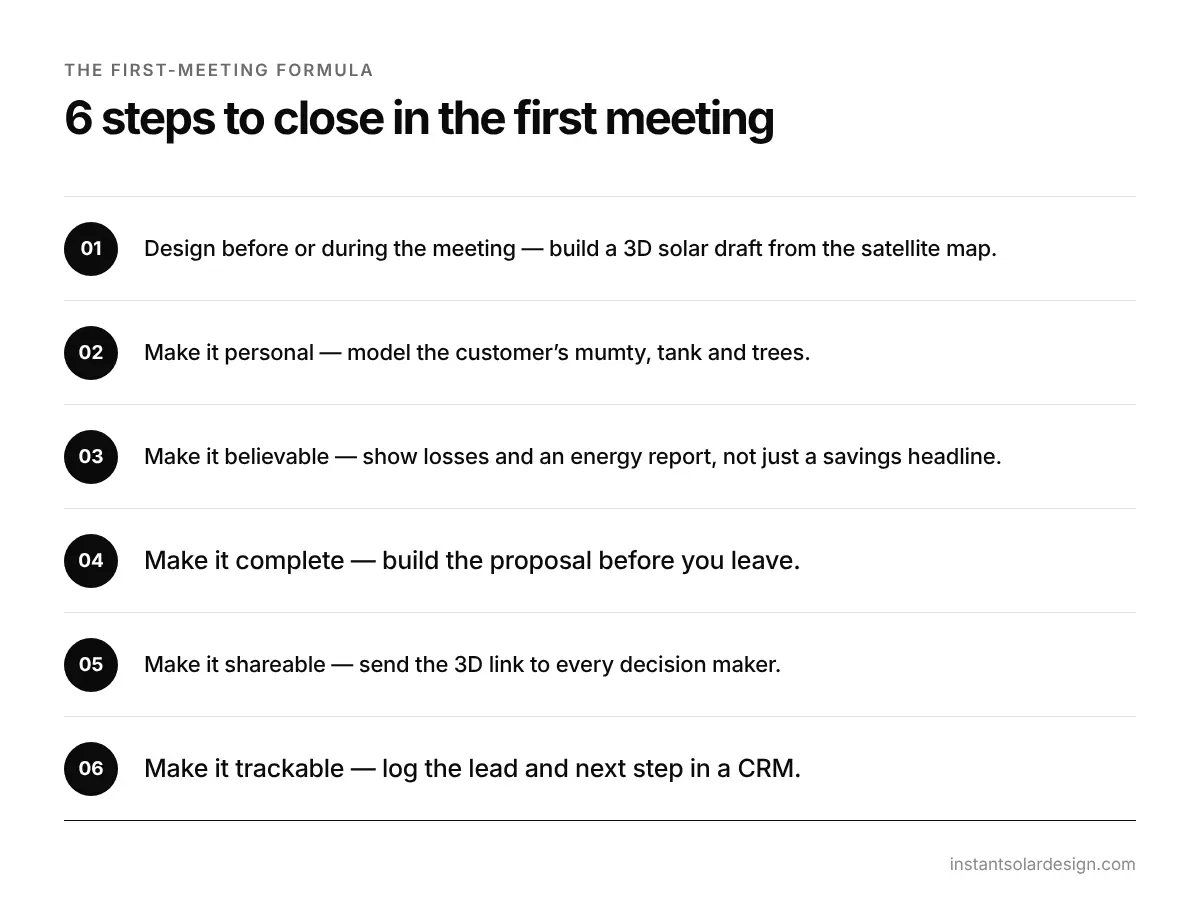
Across every challenge in this series, the same pattern works:
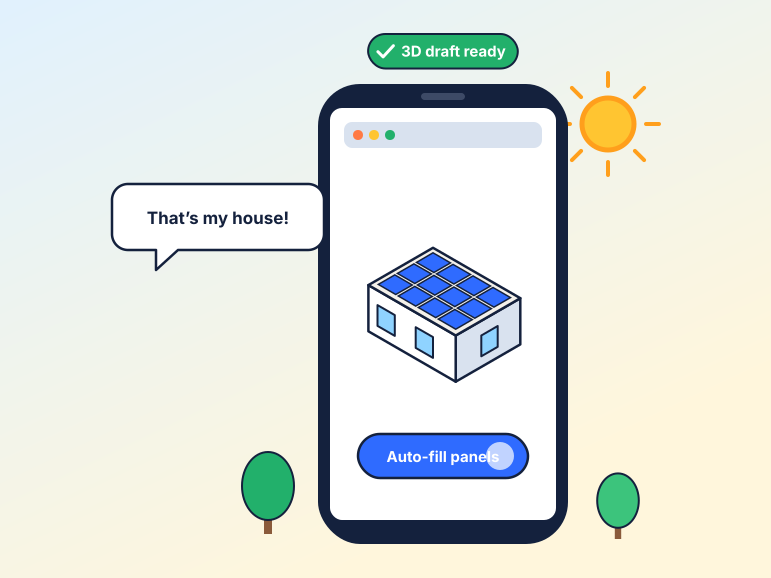
- Design before or during the meeting — build a 3D solar draft from the satellite map.
- Make it personal — model the customer’s mumty, tank and trees.
- Make it believable — show losses and an energy report, not just a savings headline.
- Make it complete — build the proposal before you leave.
- Make it shareable — send the 3D link to every decision maker.
- Make it trackable — log the lead and next step in a CRM.
What to look for in first-meeting design software
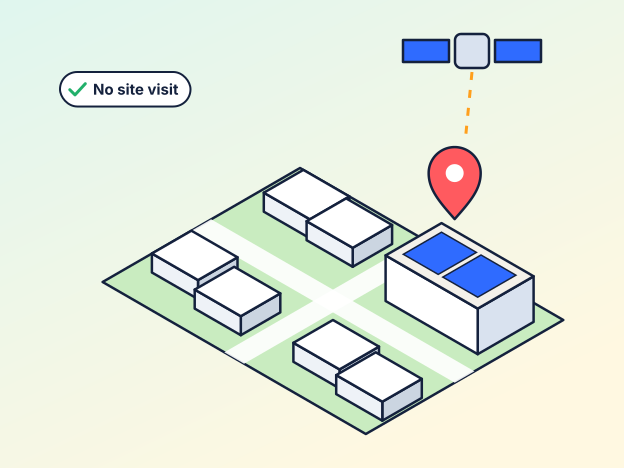
- 3D design on the satellite map from an address or lat-long — no site visit needed to start.
- Obstruction modelling and shadow analysis that update as you move panels.
- Drawings, energy report and proposal generated from the same model.
- A shareable 3D link that opens on any phone.
- A CRM that links each lead to its design and proposal.
- Works on a phone as well as a laptop, at a price that suits a small team.
Indian EPCs commonly use tools such as SolarDraft and Solar Designer for this — both start at around ₹40,000 a year including GST, and you can compare SolarDraft’s plans to see which limits fit your projects. Our solar design software comparison covers the wider market.
All 29 first-meeting challenges (and fixes)
- Customers can’t visualise solar on their roof — Most homeowners can’t imagine how panels will look on their roof, so they delay.
- “Let me think about it” objection — “Let me think about it” kills solar deals.
- Waiting for a site visit to quote — Waiting for a site survey before quoting delays solar deals by days.
- Slow proposal turnaround — If your solar proposal takes 2–3 days, you are losing deals.
- Competitors quote the same day — Solar customers collect 3–4 quotes.
- Handling price objections — Price objections stop solar deals in the first meeting.
- Customers doubt savings numbers — Homeowners often distrust solar savings claims.
- Shading concerns — Neighbouring buildings, trees and water tanks raise shading doubts that stall solar deals.
- “Will it fit on my roof?” — Customers worry the system won’t fit around the mumty, tank and staircase.
- Metal shed & industrial customers — Factory owners want proof before approving solar on metal sheds.
- Decision makers not in the room — Solar is a family decision in India.
- Sales teams lack technical skills — Solar salespeople aren’t engineers, so technical questions stall deals.
- Inconsistent pitch across the team — Inconsistent solar sales pitches lead to uneven close rates.
- Leads fall through the cracks — Missed follow-ups cost solar EPCs deals that were almost closed.
- Owners can’t see sales activity — EPC owners often can’t see what their sales team is doing.
- Designer bottleneck — When every design waits for one designer, solar deals slow down.
- PM Surya Ghar customers are confused — PM Surya Ghar customers are confused about subsidy, sizing and process.
- Small EPCs competing on trust — Customers often trust big solar brands over local EPCs.
- Brochures don’t convert — Generic solar brochures and stock photos don’t convince customers.
- Manual estimate mistakes — Excel estimates and rules of thumb lead to wrong capacities and re-quotes.
- “Which panel will you use?” — Customers ask about panel brands and wattage in the first meeting.
- Showing options live — Customers decide faster when they can compare options.
- Commercial clients need drawings — Commercial and institutional buyers need drawings before approving solar.
- No laptop? Design on mobile — Solar meetings happen on terraces, in shops and at doorsteps.
- Remote & video-call meetings — Out-of-town and NRI customers can’t meet in person.
- High cost of sales per lead — Multiple visits per lead drive up the cost of solar sales.
- Unprofessional proposals — Plain Excel or Word quotations make EPCs look less credible.
- Sharing designs on WhatsApp — Large solar PDFs are hard to open on phones.
- Measuring first-meeting close rate — What gets measured improves.
How to roll this out in your EPC in 2 weeks
- Days 1–2: Choose your design tool and set up users for sales, design and admin.
- Days 3–5: Salespeople complete the tool’s training videos and add your stocked panels.
- Days 6–8: Each salesperson builds five practice solar drafts on known rooftops.
- Days 9–10: Agree one standard first-meeting flow for the whole team.
- Days 11–14: Go live, and review first-meeting results every day.
Need the design done for you?
Send the site — get a 3D design back in 24 hours.
Instant Solar Design delivers white-labelled 3D models, shadow analysis and generation reports from ₹500 per project.
Order a design →Frequently asked questions
Why is the first meeting so important in solar sales?
Customer attention is highest and competition is lowest. Every day after the meeting gives another installer a chance to call.
What is the fastest way to close solar deals in the first meeting?
Show a 3D solar draft of the customer’s own roof, a transparent energy report and a proposal — all before the meeting ends.
What software do EPCs use to build a 3D solar draft in the meeting?
Indian EPCs commonly use India-focused tools such as SolarDraft and Solar Designer, which start at about ₹40,000 a year including GST, or international suites such as Arka360 and SurgePV.
Can I design without a site visit?
Yes. Satellite-based tools build the 3D model from an address or lat-long, and some add LiDAR height data. Verify on site before installation.
How long does it take to roll out a first-meeting process?
About two weeks: set up the tool, train the team on recorded walkthroughs, practise on known rooftops, agree one flow, then go live and review daily.